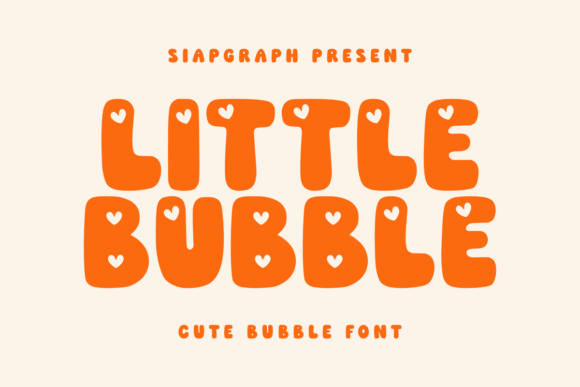
Little Bubble: A Playful Display Font for Editorial Design
There is a specific moment in every editorial redesign when the tone shifts from functional to emotional. I experienced this recently while restructuring the header graphics for a lifestyle blog focused on early childhood development and family wellness. The existing typography was clean but cold, failing to capture the warmth of the content. I needed a typeface that could carry the visual weight of a headline while whispering softness to the reader. That is when I introduced Little Bubble into the layout. As a distinctive entry among modern Fonts, Little Bubble is a cute and chunky bubble font with playful curves and heart-shaped details inside each letter, instantly transforming the page’s mood from sterile to inviting.
Using Little Bubble for Children’s Projects and Educational Worksheets
When designing materials for younger audiences, readability and engagement must coexist. Standard sans serif fonts often feel too corporate for children’s education, while overly decorative scripts can hinder letter recognition. Little Bubble strikes a rare balance. In my test layout for a printable alphabet worksheet, the font’s chunky structure provided excellent legibility, while the internal heart-shaped details added a layer of delight that kept young eyes focused. This makes it an ideal choice for educators and parents creating custom learning aids.
The visual rhythm of Little Bubble supports the cognitive ease required in early learning materials. Each letter stands as a friendly character rather than a rigid symbol. For bloggers and course creators developing digital products like homeschooling guides or activity books, this Display typeface serves as a powerful tool for section headers and title pages. It signals to the reader that the content within is approachable, safe, and fun. However, it is crucial to reserve this font for headlines and large text elements. Due to its expressive nature, it is not suitable for body copy or dense paragraphs, where a neutral serif or sans serif font should remain the standard for long-form reading comfort.
Designing Valentine’s Cards and Seasonal Greetings with Heart Details
Seasonal design requires typography that conveys emotion without relying on clichéd imagery. Little Bubble excels in this niche, particularly for Valentine’s Day campaigns, wedding shower invitations, and anniversary announcements. The subtle heart shapes embedded within the letters allow designers to create romantic or affectionate themes without overcrowding the layout with external graphics. In a recent newsletter header design for a boutique gift shop, using Little Bubble for the main greeting reduced the need for additional decorative icons, resulting in a cleaner, more sophisticated composition.
This font’s ability to convey warmth makes it a versatile asset for social media graphics and email marketing headers. When paired with a soft pastel color palette, the chunky curves of Little Bubble create a tactile sense of comfort. For independent creators selling digital downloads such as printable love notes or date-night planners, this font adds perceived value to the product. It transforms simple text into a design feature. Yet, designers should remain mindful of scale. The intricate heart details are best appreciated at larger sizes, making this font perfect for cover text, pull quotes, and standalone statements, but less effective for small captions or footer information.
Establishing Playful Branding for Baby Products and Family Blogs
Brand identity in the parenting and baby product sector relies heavily on trust and tenderness. A logo or brand mark using Little Bubble immediately communicates a nurturing personality. I observed this effect while mock-upping a brand guide for a hypothetical organic baby clothing line. The font’s rounded edges and uniform stroke width created a sense of stability and softness, aligning perfectly with the brand’s core values. Unlike erratic handwritten fonts that can appear messy, Little Bubble maintains a structured consistency that lends credibility to the brand while retaining its charm.
For bloggers and influencers building a personal brand around motherhood or family life, incorporating this Display font into channel art, ebook covers, and media kits can enhance audience connection. It differentiates the brand from competitors using generic modern typography. However, successful branding requires strategic font pairing. To maintain professional readability, I recommend pairing Little Bubble with a clean, highly legible sans serif font for navigation menus and body text. This contrast ensures that the playful identity does not compromise the user experience, allowing the display font to shine as a decorative accent while the supporting type handles the informational load.
Editorial Layout Tips for Readability and Visual Hierarchy
Integrating a character-rich font like Little Bubble into a complex editorial layout requires careful attention to white space and hierarchy. Because the letters are chunky and wide, they demand more breathing room than condensed typefaces. In magazine layouts or digital PDFs, I found that increasing the leading and tracking around Little Bubble headlines prevented the design from feeling cluttered. This spacing allows the playful curves to be fully appreciated, enhancing the overall aesthetic appeal of the page.
When using Little Bubble for pull quotes or chapter openers, consider the background contrast. The font performs best against solid, light backgrounds where the heart details remain visible. Dark or textured backgrounds may obscure these nuanced features, reducing the font’s impact. Additionally, always verify the licensing terms before commercial use. Whether you are creating a paid newsletter, a client’s wedding guide, or a bestselling recipe ebook, ensuring you have the appropriate commercial font license is essential for legal compliance and professional integrity. By respecting these technical and design considerations, Little Bubble becomes more than just a font; it becomes a strategic element of your visual storytelling toolkit.